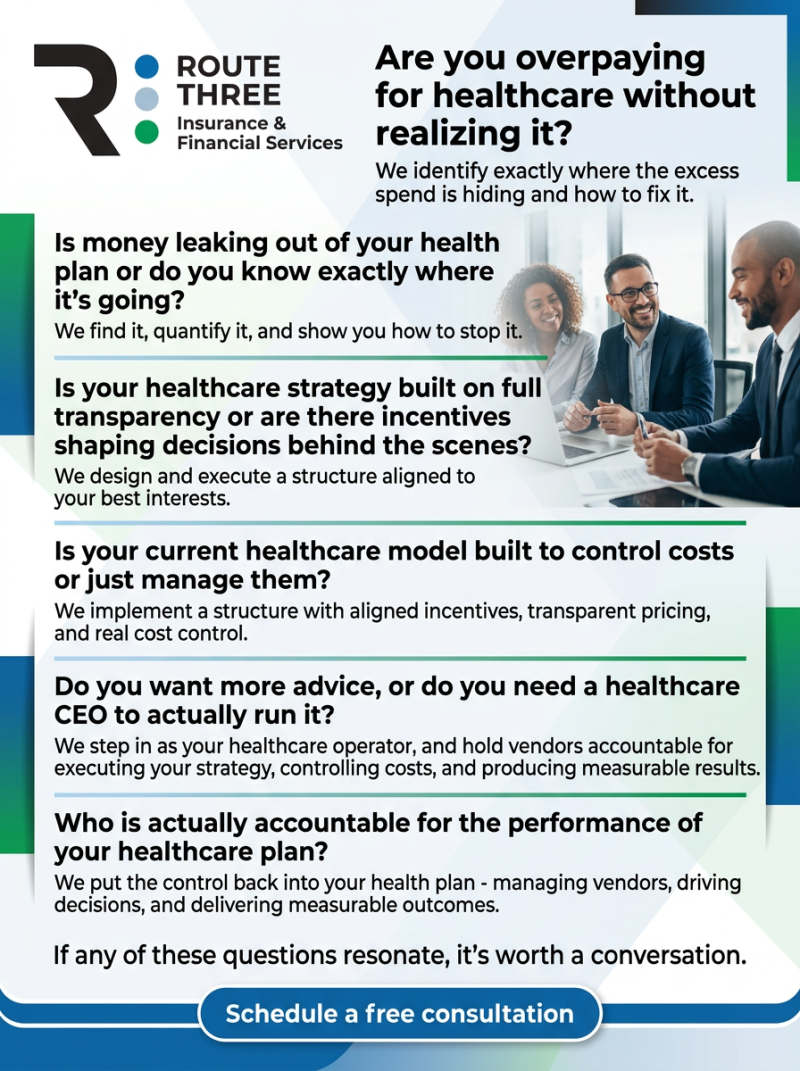
Click the flyer to schedule your Free Consultation
We tackle the tough subjects
1) The Broken Healthcare System
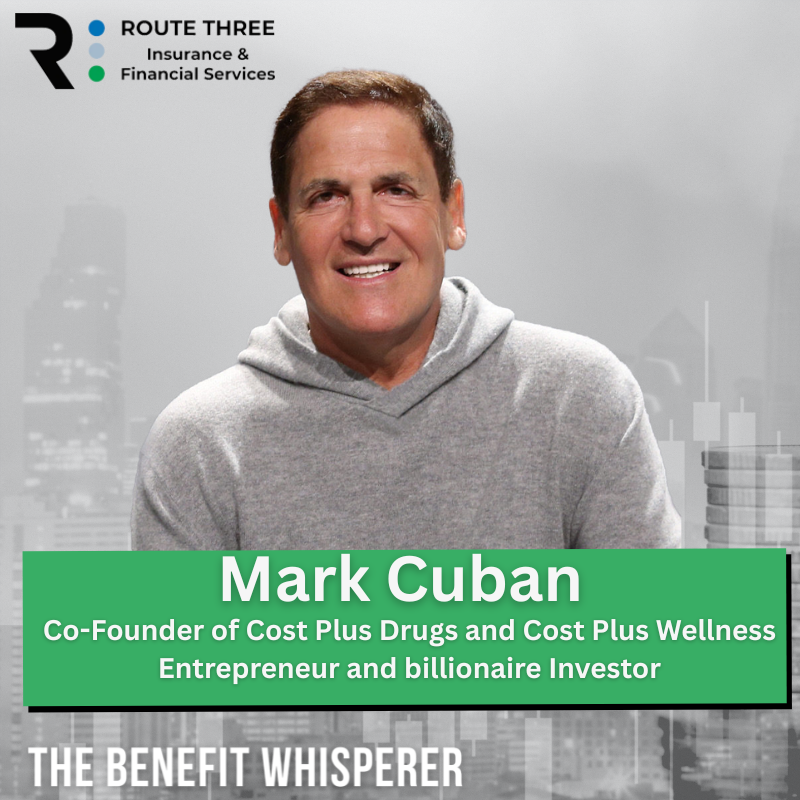
Mark Cuban describes a healthcare system built on opacity, delay, and misaligned incentives. Instead of making care easier to access and pay for, the system often turns providers into lenders, patients into financial risk-bearers, and employers into passive funders of a structure they do not fully understand. His core point is that the problem is not just high prices. It is a business model that rewards friction.
2) The CEO's Role in Healthcare Management
Mark’s message to CEOs is simple: healthcare is often the second-largest expense after payroll, and every dollar saved goes straight to the bottom line. Yet many leaders still outsource it to carriers, PBMs, and consultants without the same scrutiny they apply to every other major cost center. His view is that at some point this stops being an HR issue and becomes a leadership issue.
3) Direct Contracting: A New Approach to Healthcare
Mark makes the case for direct contracting as a way to cut through administrative waste and realign incentives. If employers can pay providers directly, eliminate unnecessary preauthorizations, remove deductibles, and pay promptly, providers can charge less and patients can get care with less friction. In his view, direct contracting works because it replaces delay, clawbacks, and gamesmanship with clarity and faster payment.
4) The Need for Change in Healthcare Contracts
A major theme in the conversation is that healthcare contracts are too opaque, too fragmented, and too hard for employers to evaluate. Mark argues that contracts should be more transparent and easier to compare so employers can actually understand what they are buying. The broader idea is that standardization and visibility would reduce friction, expose bad incentives, and make direct relationships between employers and providers more scalable.
5) Understanding Pharmacy Benefit Managers (PBMs)
Mark is blunt about PBMs and the larger insurance structures around them. He argues that PBMs profit from opacity, distort drug pricing, and make it harder for patients and employers to know what medications really cost. His point is that when generic drugs can be sold transparently at a fraction of traditional prices, it exposes how much of the pharmacy system has been built around arbitrage rather than affordability.
Choose your channel to listen to more Benefit Whisperer episodes
Welcome to The Benefit Whisperer with Ralph Weber from Route Three, a full-service financial services firm specializing in all facets of insurance and advanced financial and estate planning needs.
In this podcast, Ralph will share his expertise and insights to help business owners and employers maximize their investments in the face of the ever-rising cost of healthcare and benefits packages.